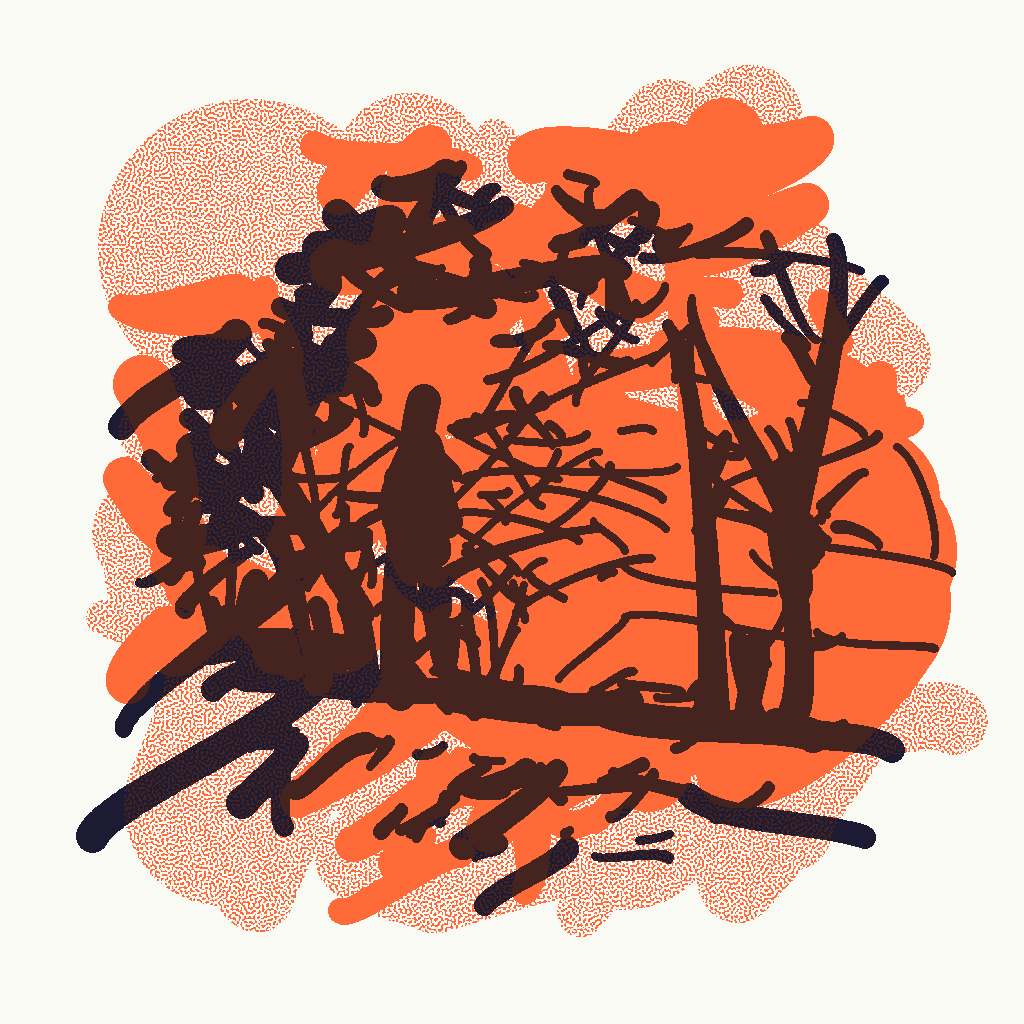
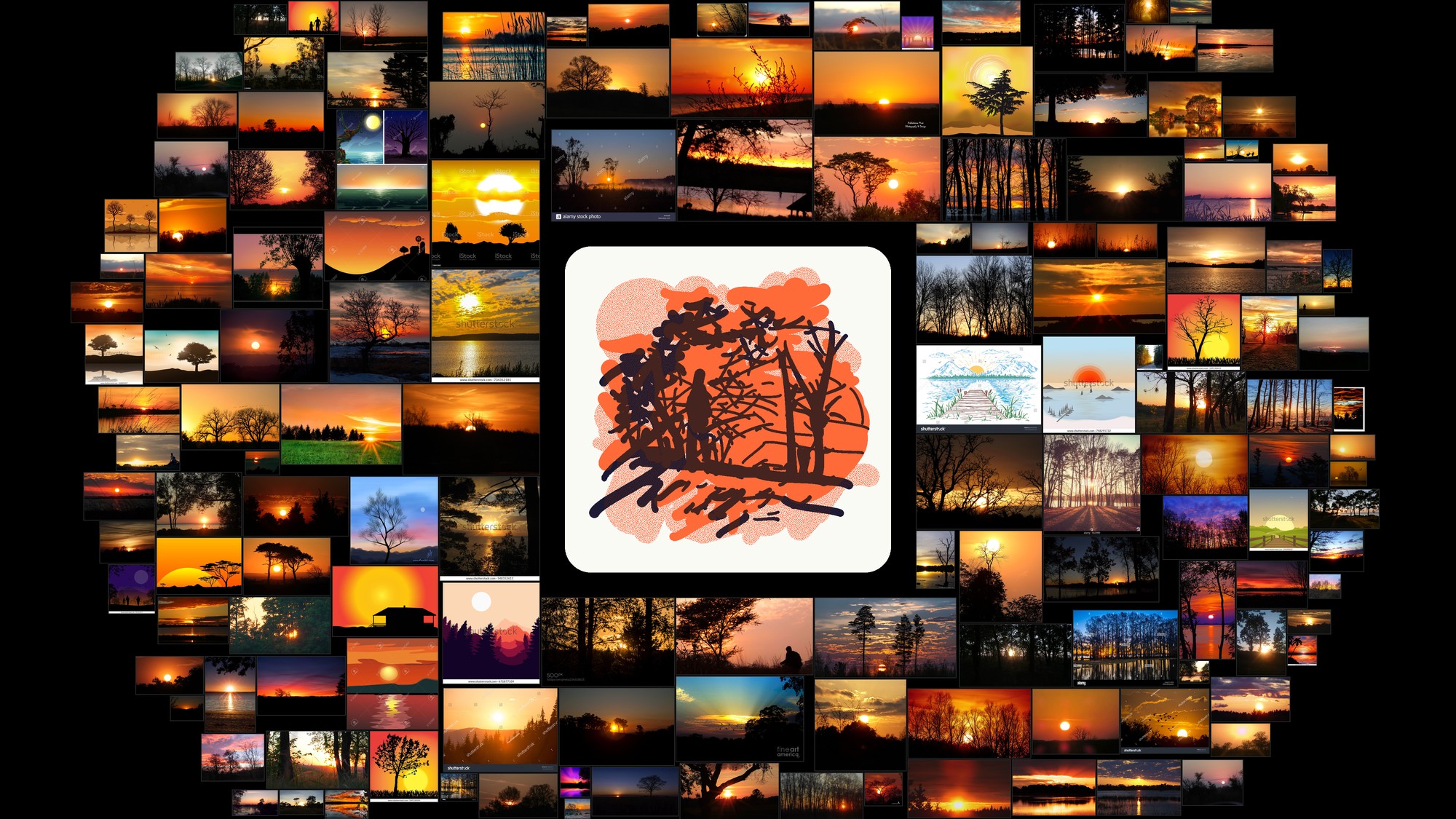
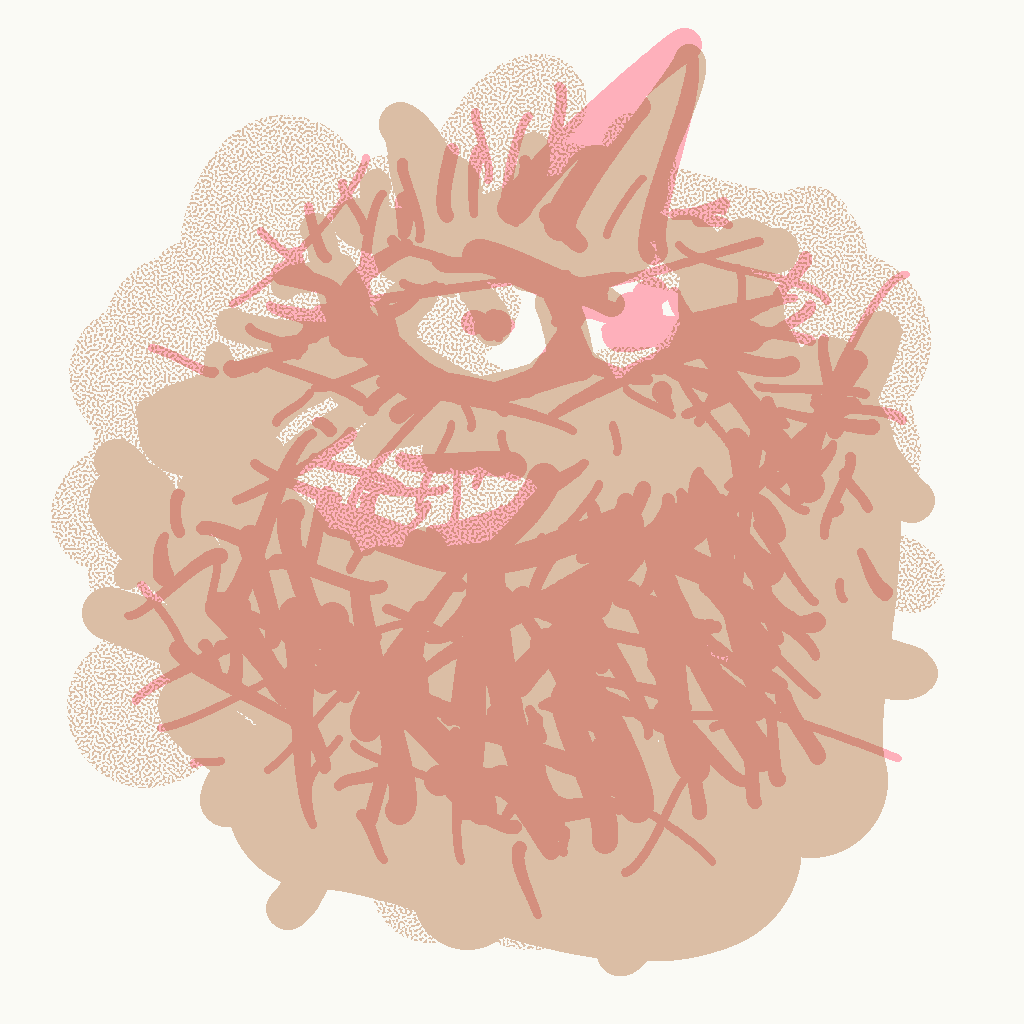
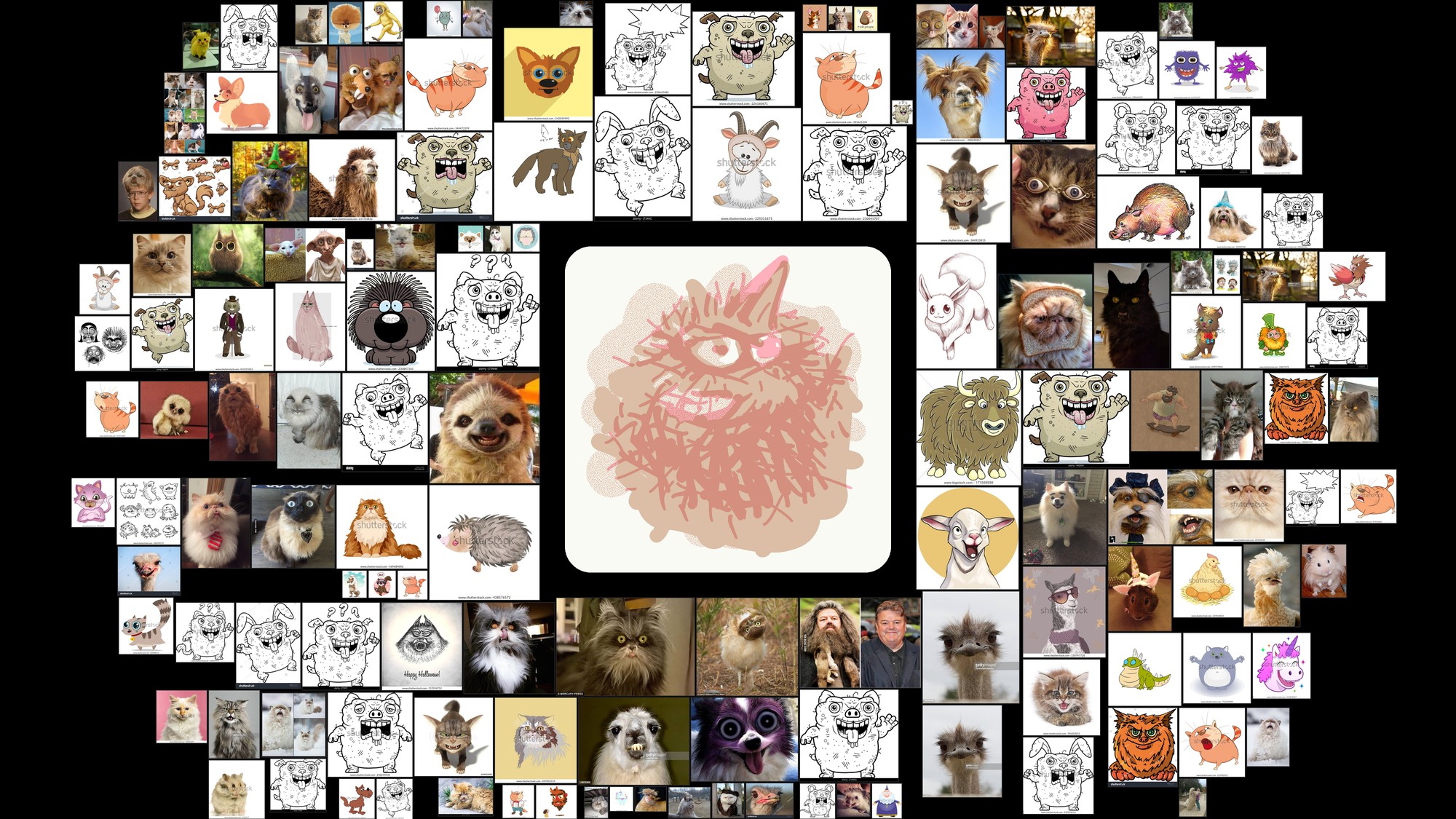
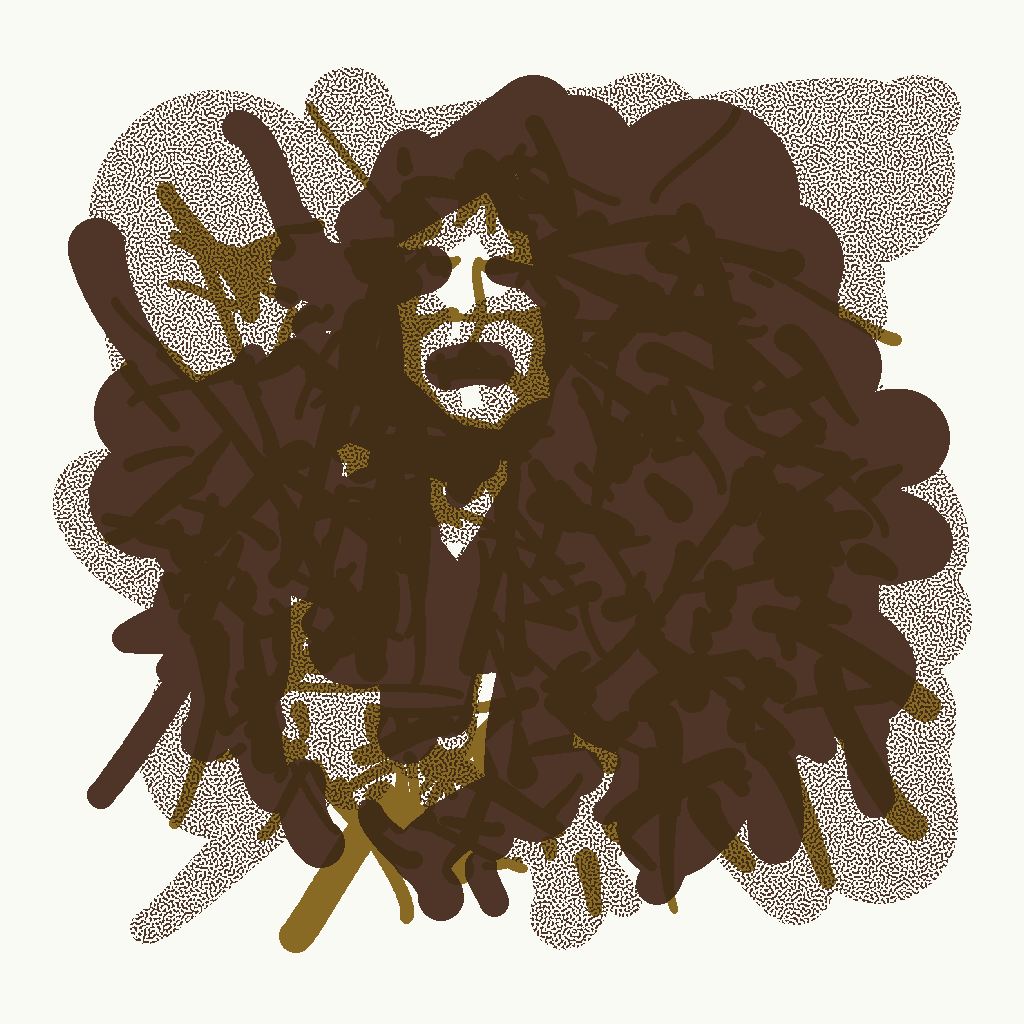
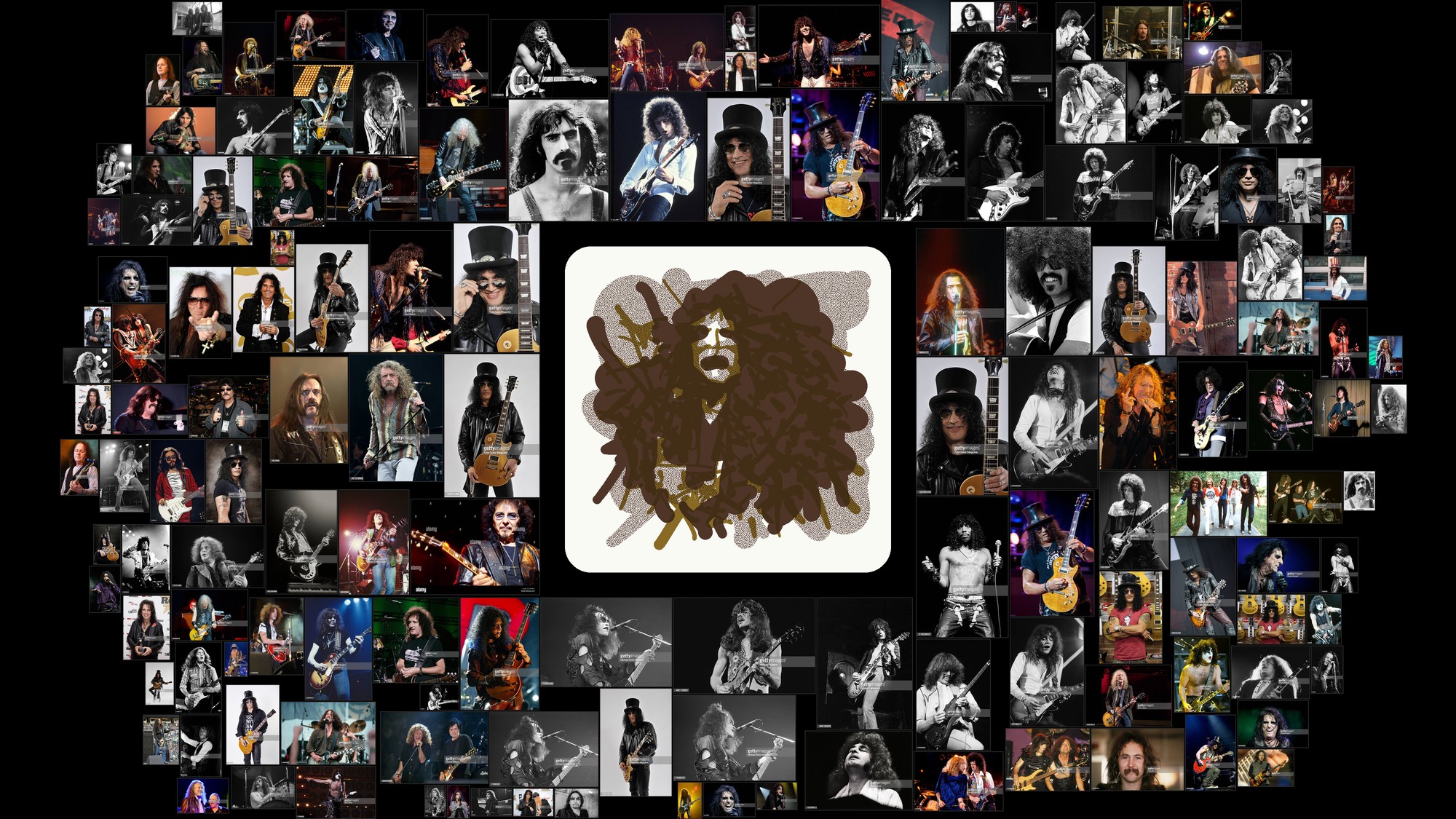
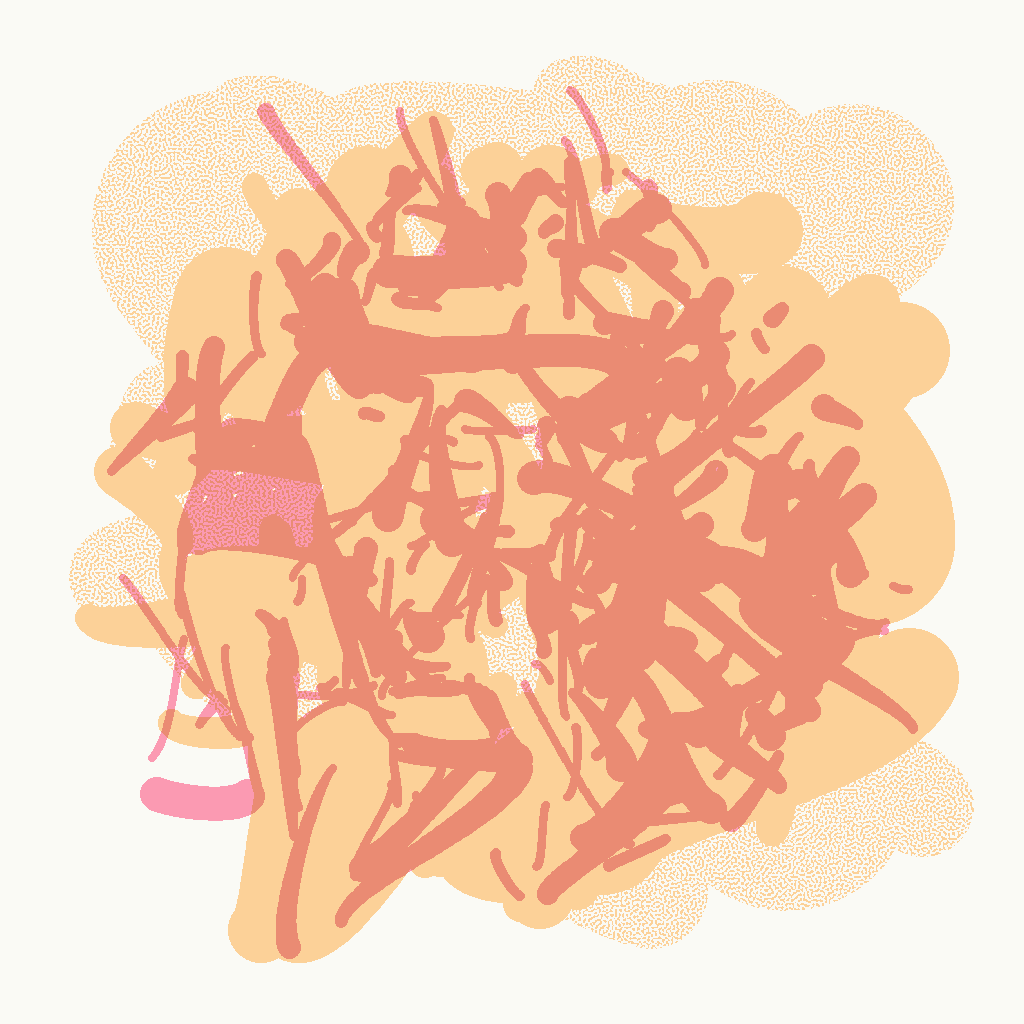
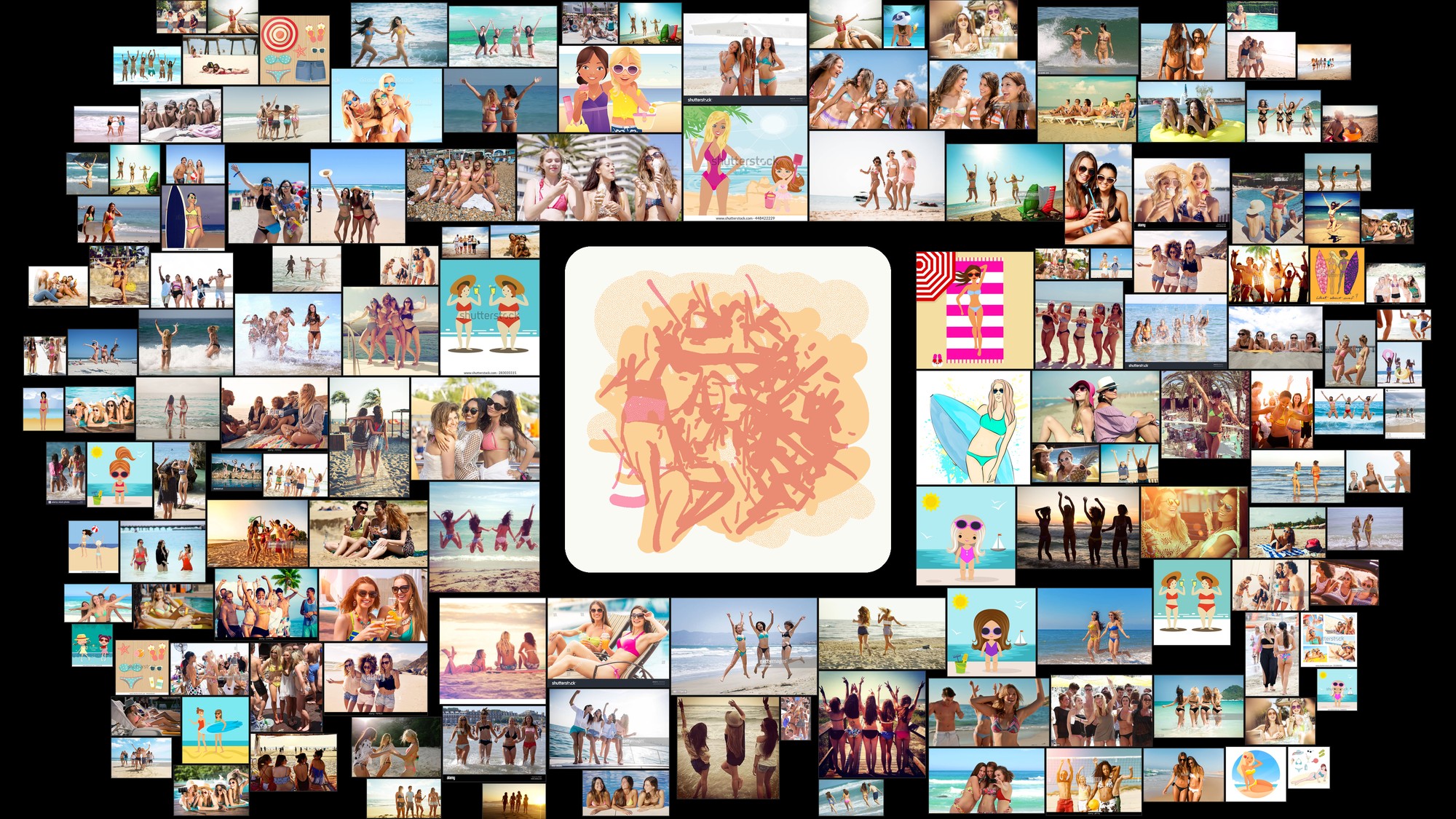
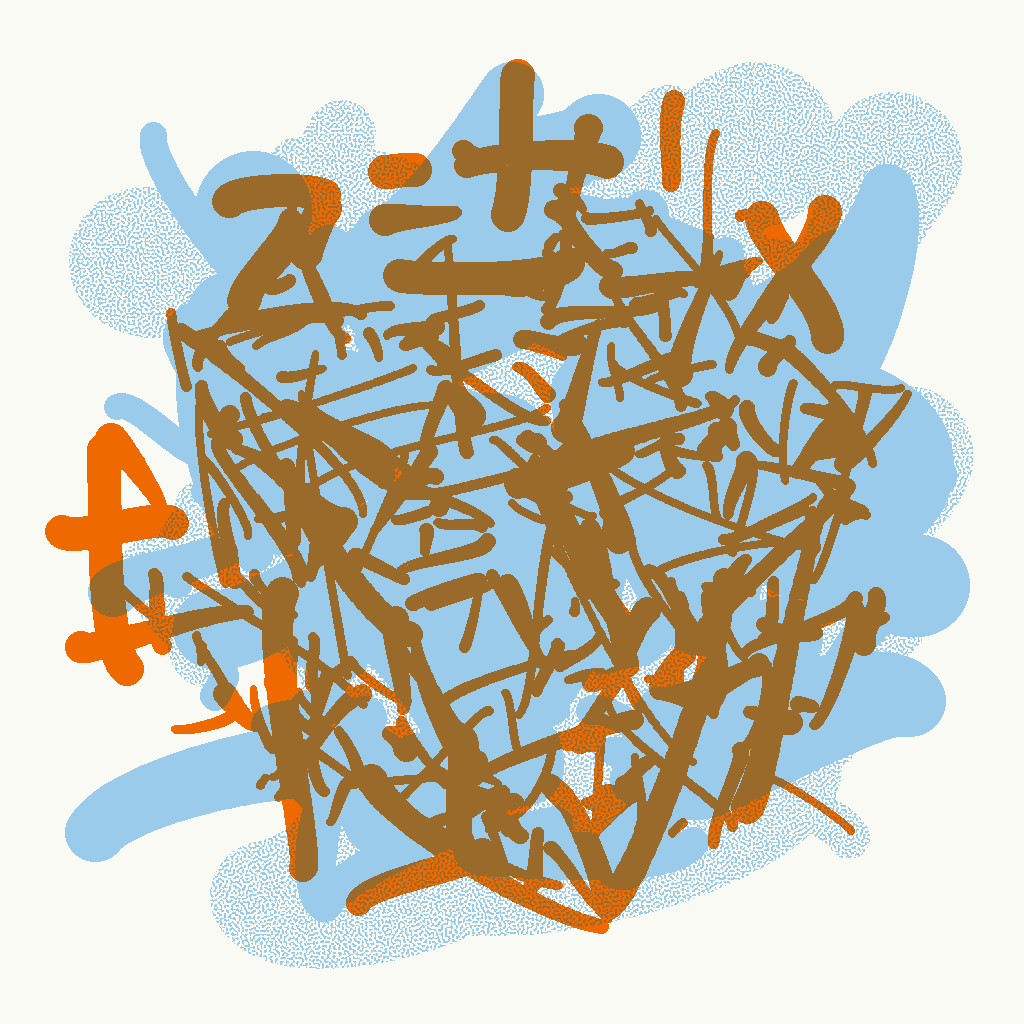
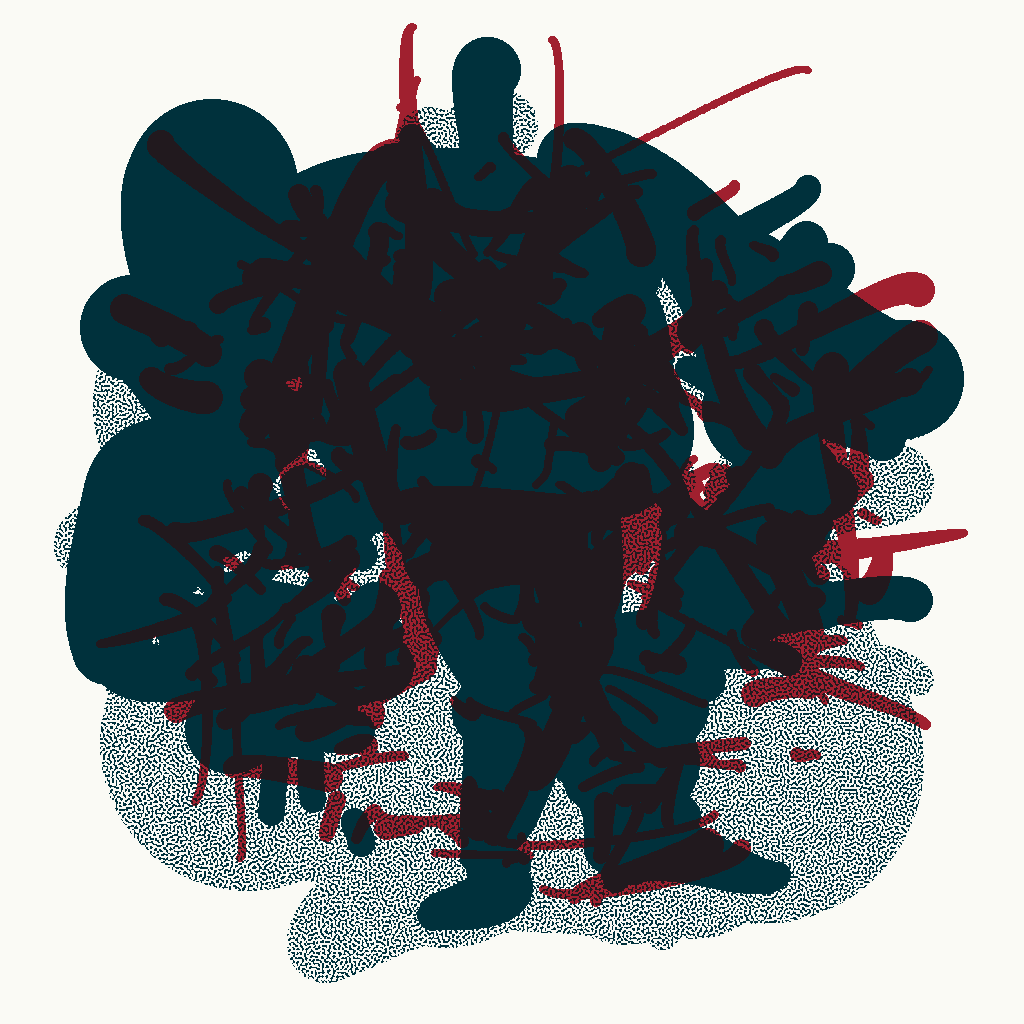
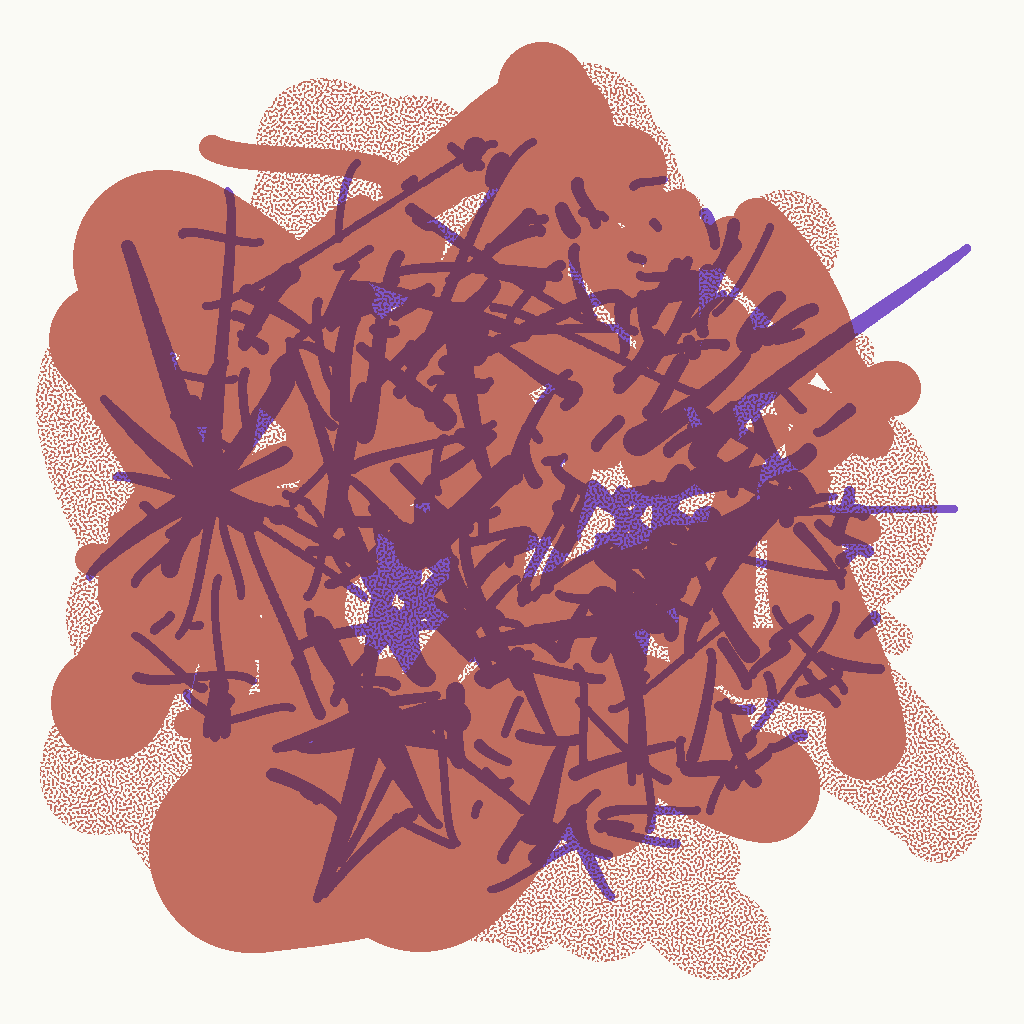
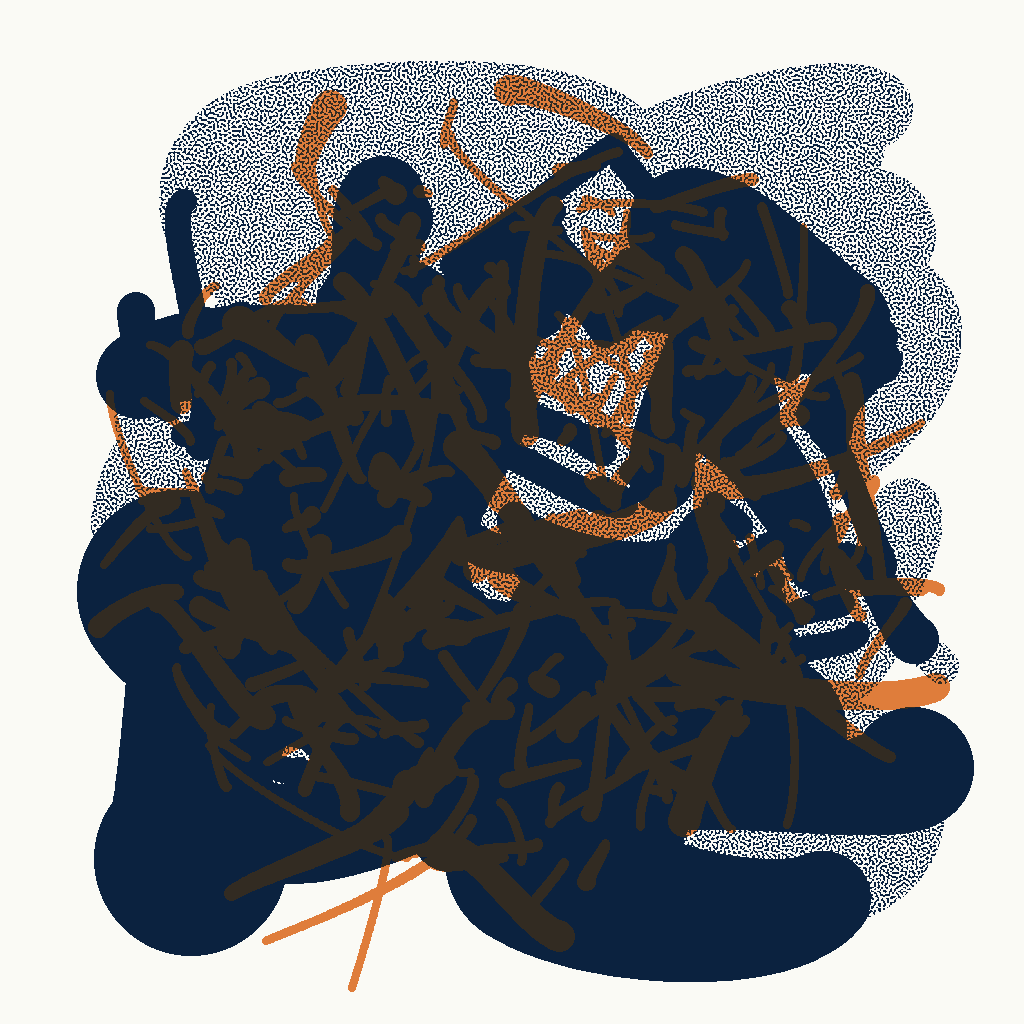
When multiple AI vision models — trained independently on different data with different architectures — are decomposed into a shared embedding space, an alien visual vocabulary emerges: not object categories like “boat” or “face,” but perceptual gestalts with no human names — concepts like “Dusk Cutout,” “Railweb,” and “The Long Hair Shout” that carve vision along boundaries no human taxonomy would draw.
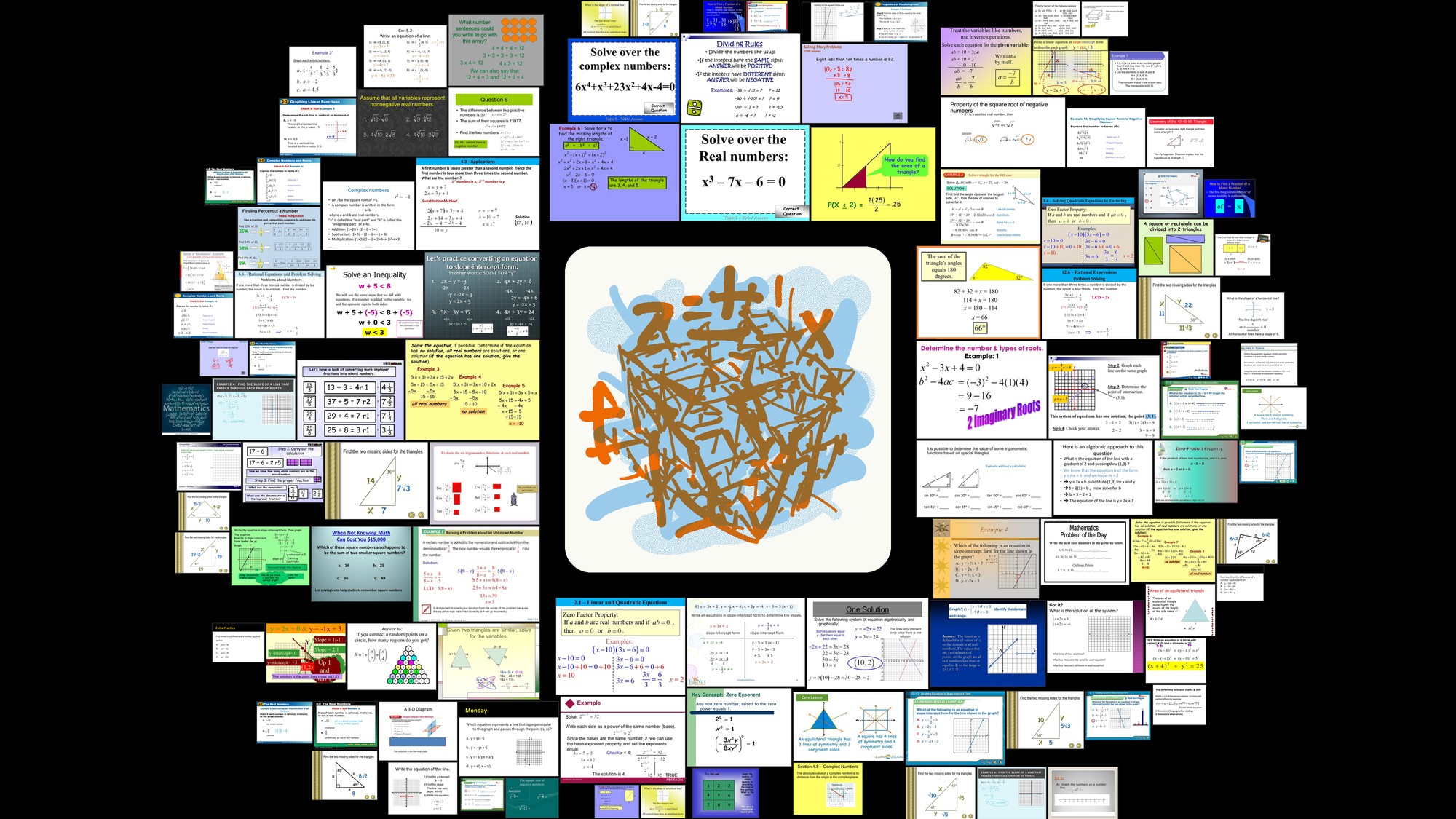
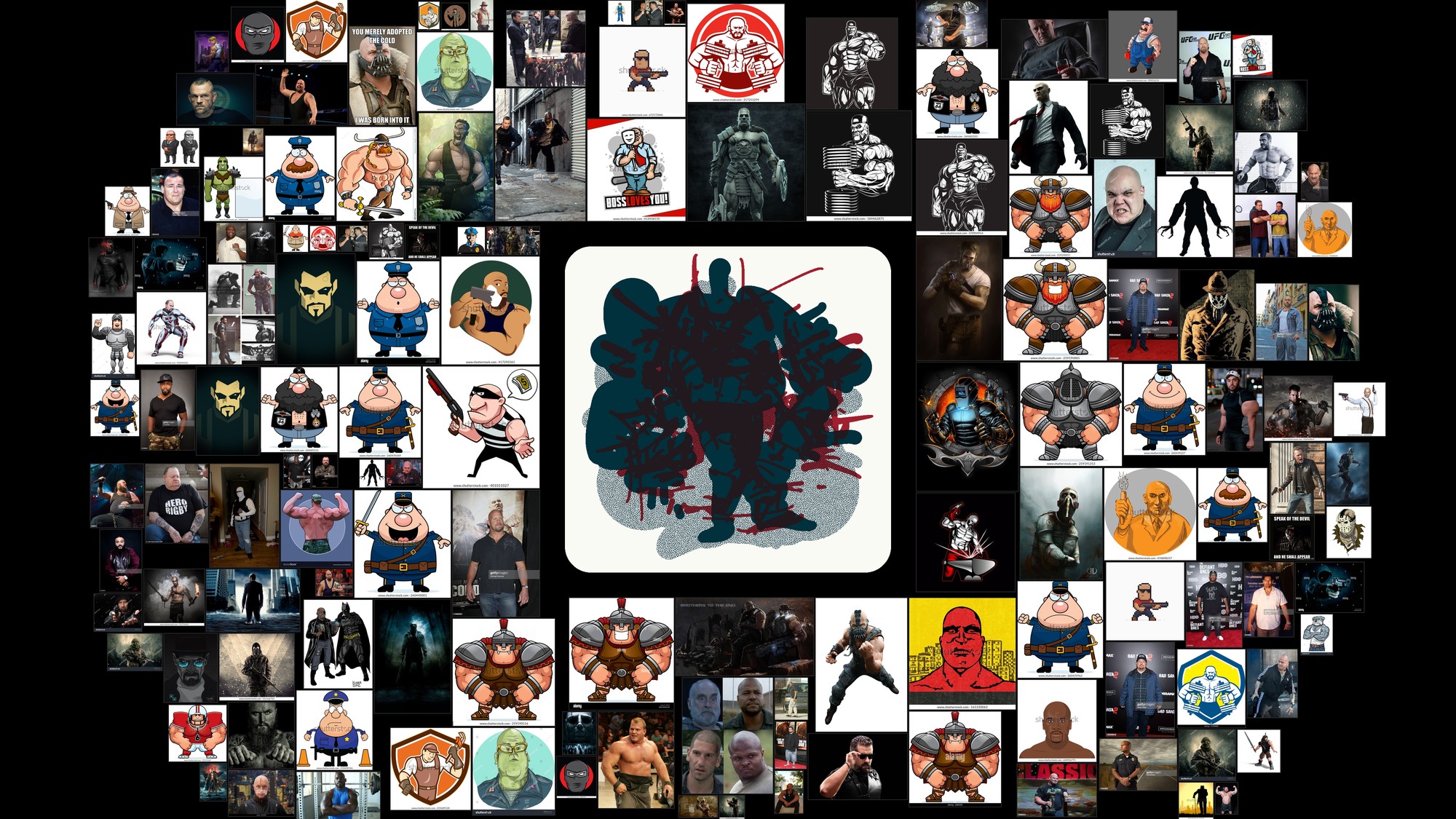
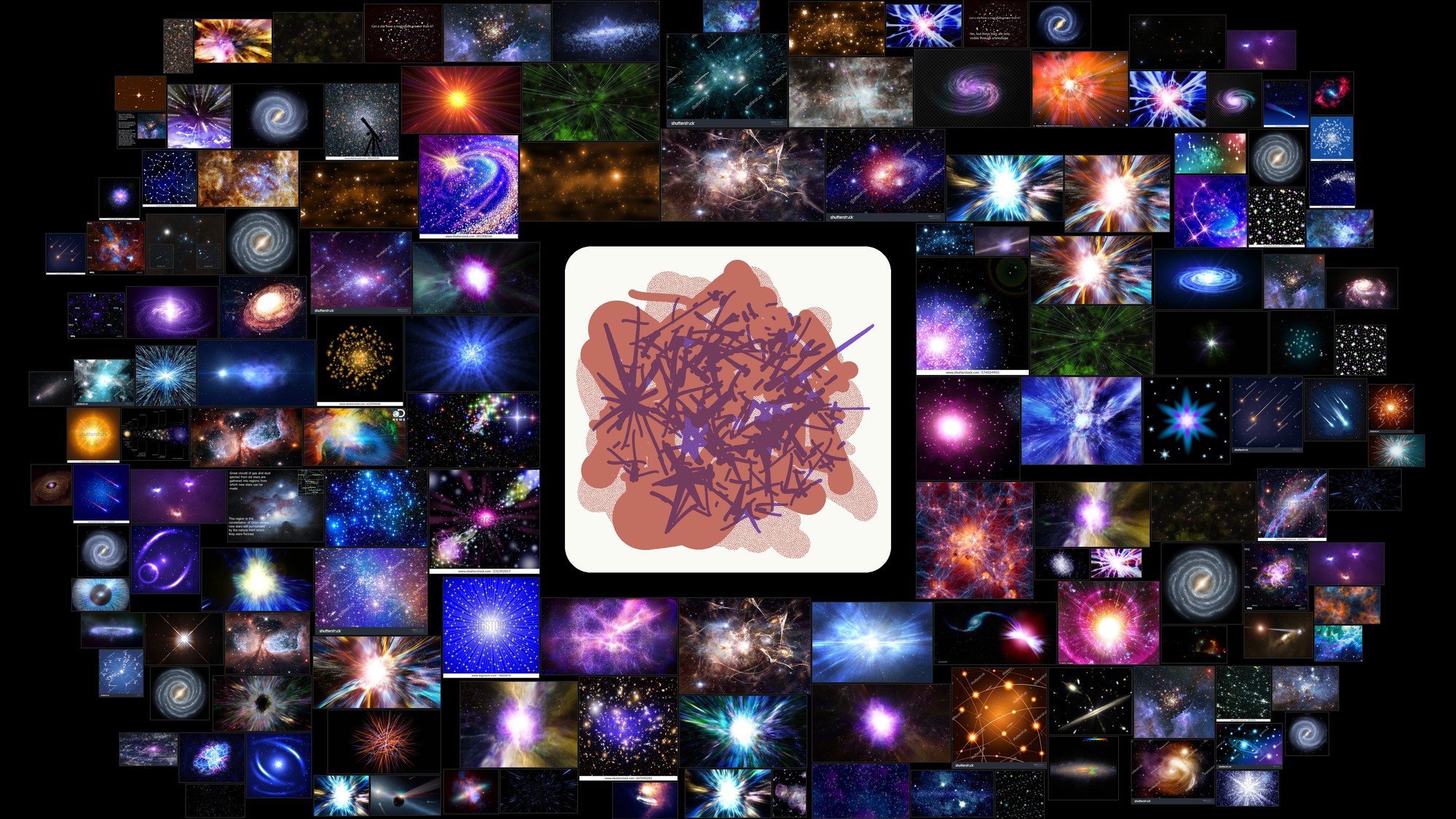
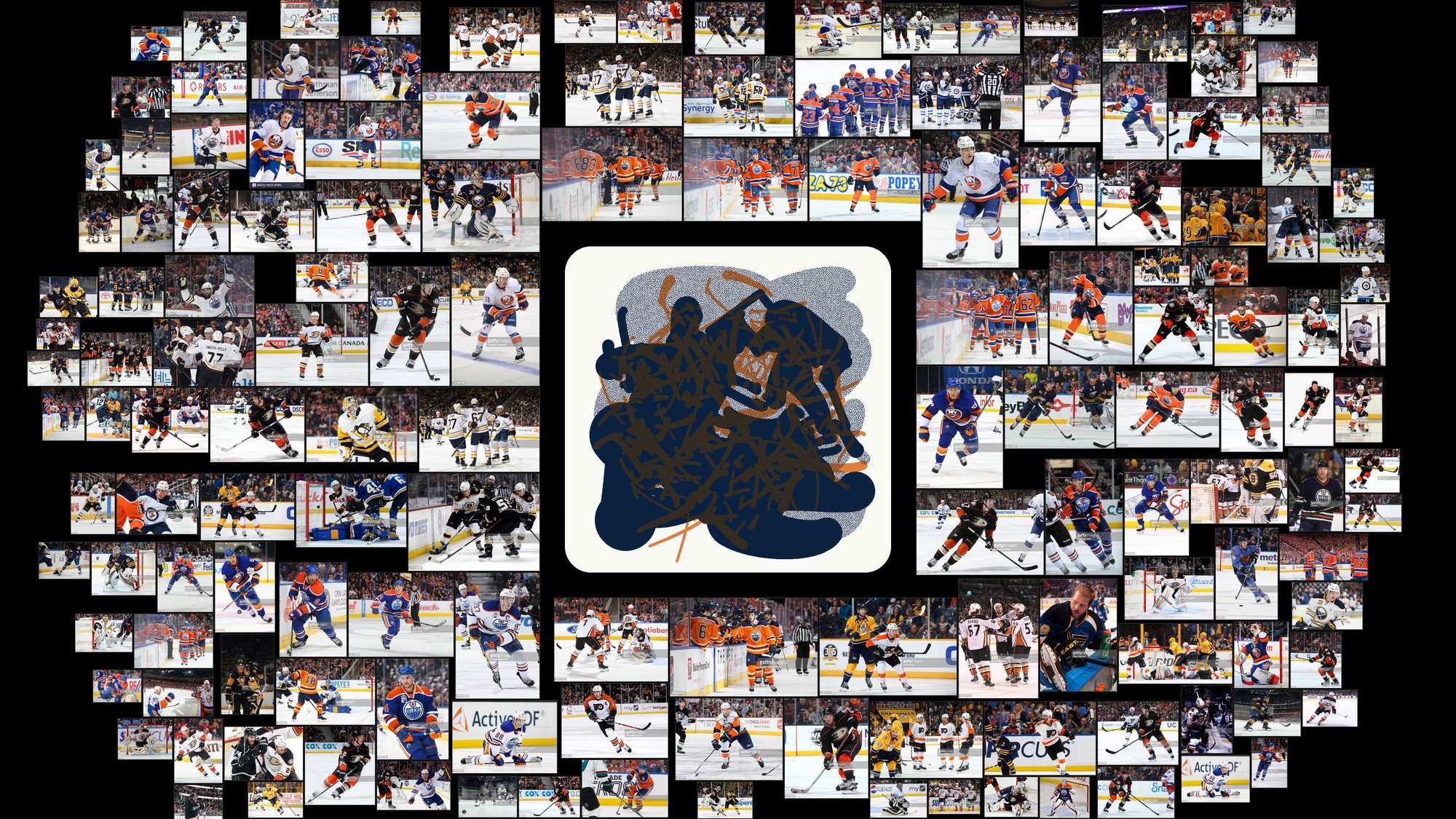
Each print in this series is a semantic probe: a screen-printed drawing evolved to maximally activate one of these shared concepts across models simultaneously, then verified to retrieve coherent images from million-image datasets that never participated in training. The surrounding photographs are what each probe pulls back — the only legible definition of a concept that exists nowhere in human language, understood only through what it attracts.
Technical Overview
Each work in this series follows a three-stage pipeline:
1. Dictionary extraction. Three vision models — SigLIP, CLIP (OpenAI), and CLIP (LAION) — trained independently on different data with different architectures, are aligned into a shared embedding space using Procrustes rotation. A sparse autoencoder (TopK, k=24, 1024 concepts) is trained on the joint, pooled representations of 50,000 images. The resulting dictionary defines a vocabulary of visual concepts that no single model invented — they emerge only at the intersection.
2. Probe generation. For each dictionary concept, a vector drawing is evolved through a four-stage optimization pipeline using evolutionary strategies. The drawing is scored by how strongly it activates the target concept direction across all three models simultaneously, after subtracting a learned style baseline (the “destyled probe” correction) that prevents the optimizer from exploiting medium-specific artifacts rather than semantic content.
3. Retrieval verification. The finished drawing is encoded by each model and used as a query against the CC3M dataset (~2.9 million captioned photographs that played no role in training the dictionary or evolving the drawing). The top-ranked images — retrieved by average rank across models — form the surrounding collage: a visual definition of a concept that has no name in any human language, legible only through what it attracts.